county introduction
One county, many layers
Chester County makes more sense when its homelands, changing boundaries, farms, industry, freedom struggles, and public places are read together.
The county in chapters
Read across homelands, work, freedom, farms and public land. Each chapter follows the people and places that shaped the county.
county introduction
Chester County makes more sense when its homelands, changing boundaries, farms, industry, freedom struggles, and public places are read together.
community history
The archive records systems of enslavement; Black students, soldiers, and veterans built institutions that changed the county’s future.
place history
The 1777 Philadelphia Campaign moved across fields, roads, and households; the famous encampment began in a place people already worked and lived.
institution history
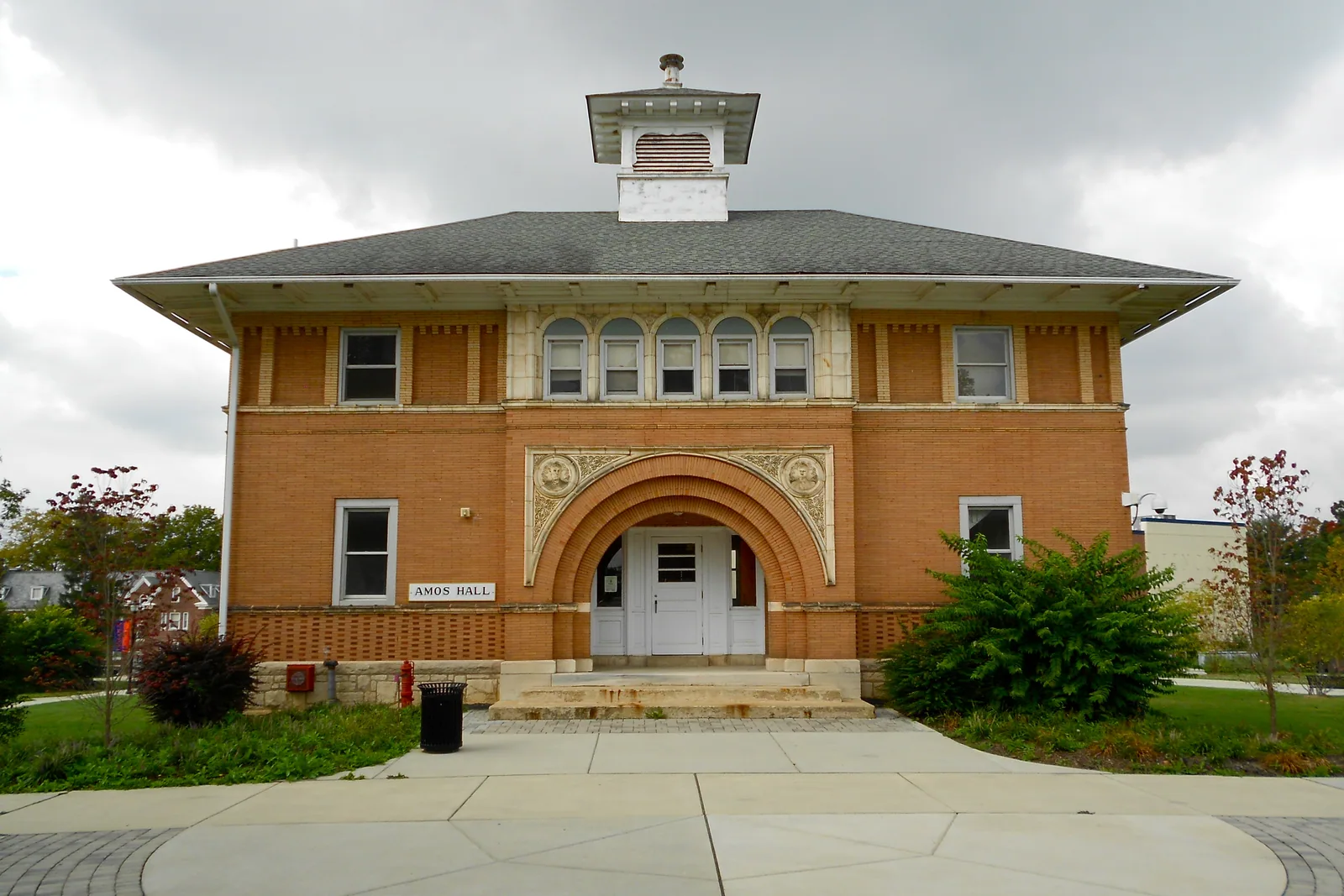
From Ashmun Institute’s 1854 charter to today’s Lincoln University, a southern Chester County campus has made education part of the freedom story.
history brief
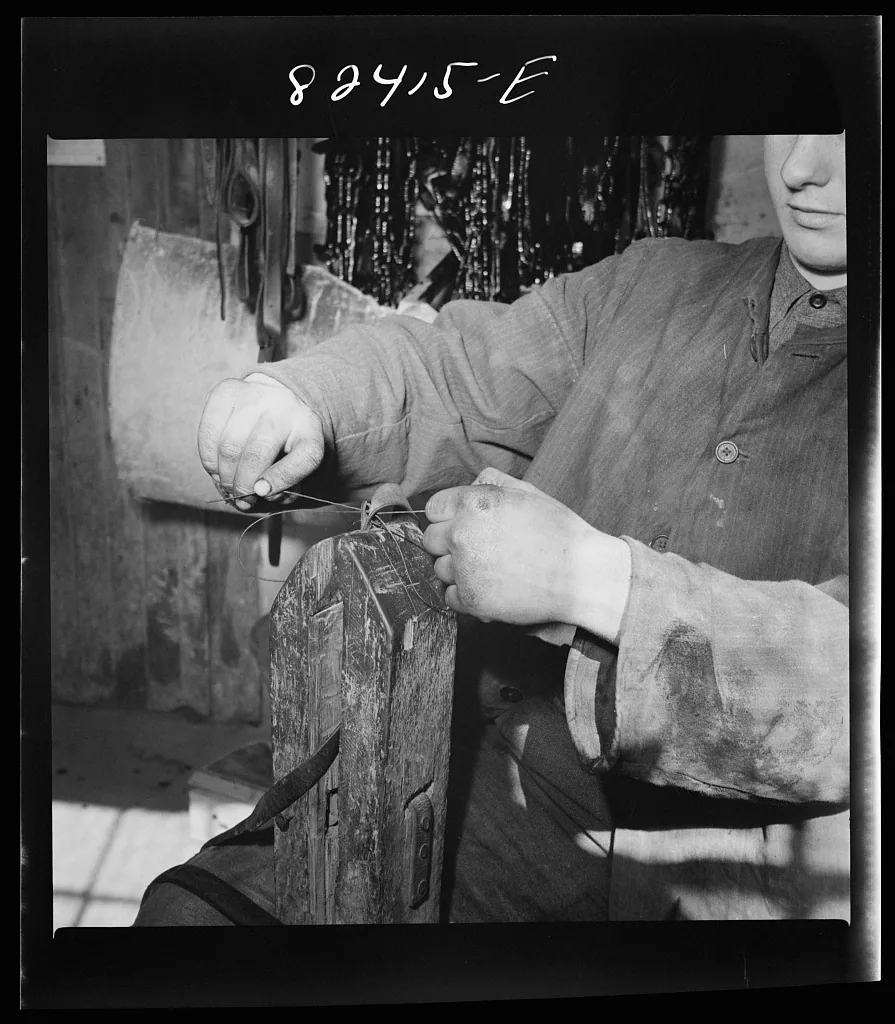
A forge, a patented iron column, a family steel business, and workers’ records show how industry shaped several Chester County communities.
history brief
A park is the result of land, funding, access, and stewardship decisions made over generations.
history brief
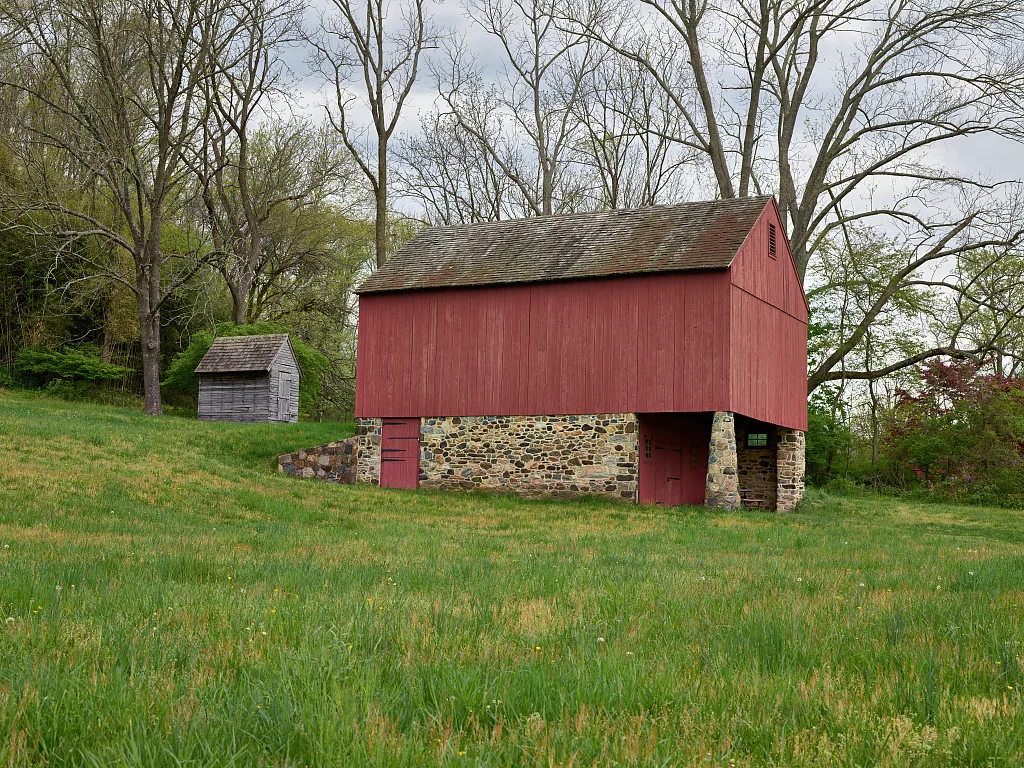
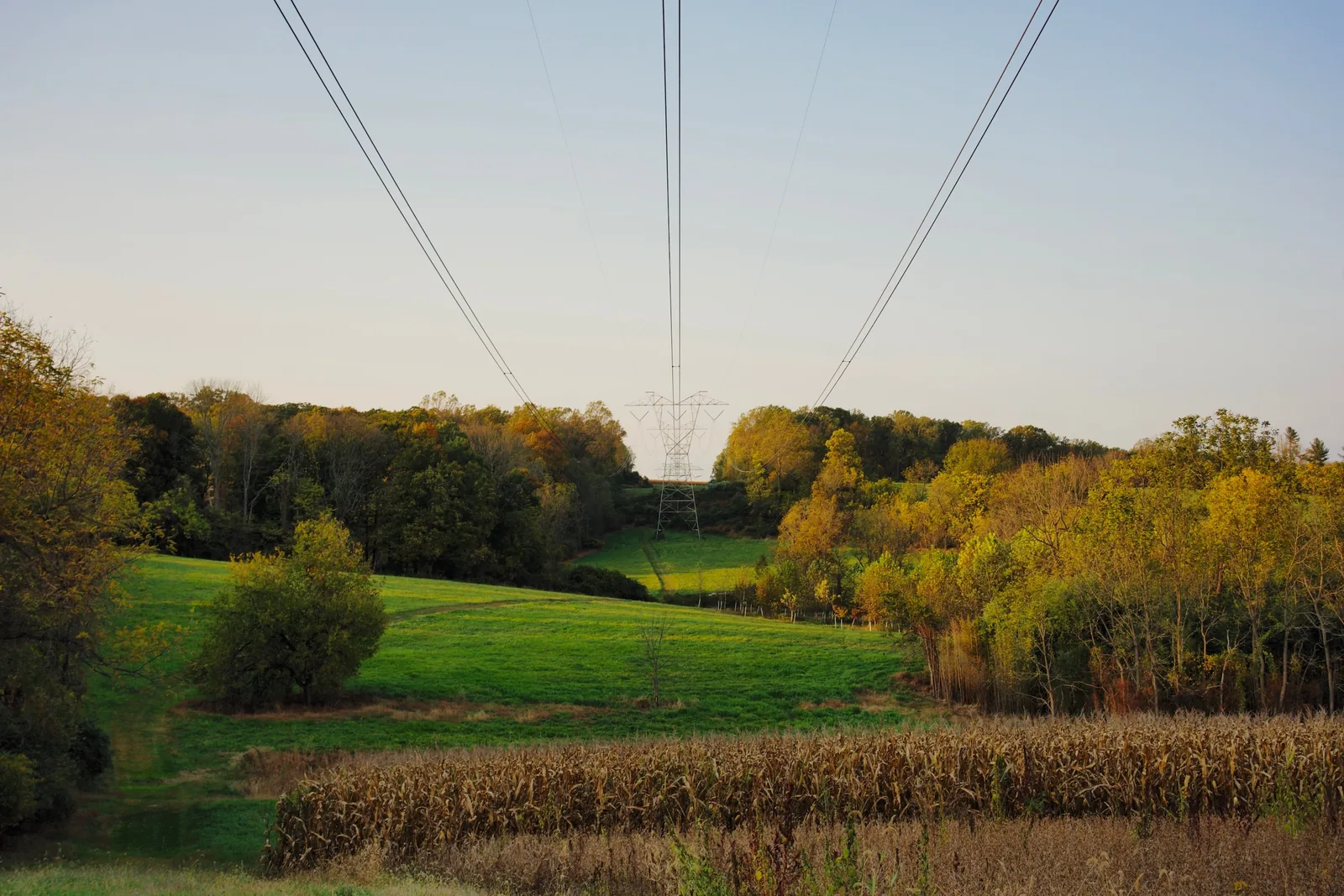
A recent farm census shows how much land still supports agriculture, while historical records show the landscape has never been fixed.
community history
A deed trail near today’s Lincoln University points to a free Black farming community built through land ownership, family life, and a church.
agricultural history
A local history account links Italian stone masons, winter greenhouse work, and the beginnings of mushroom growing in southern Chester County.
agricultural history
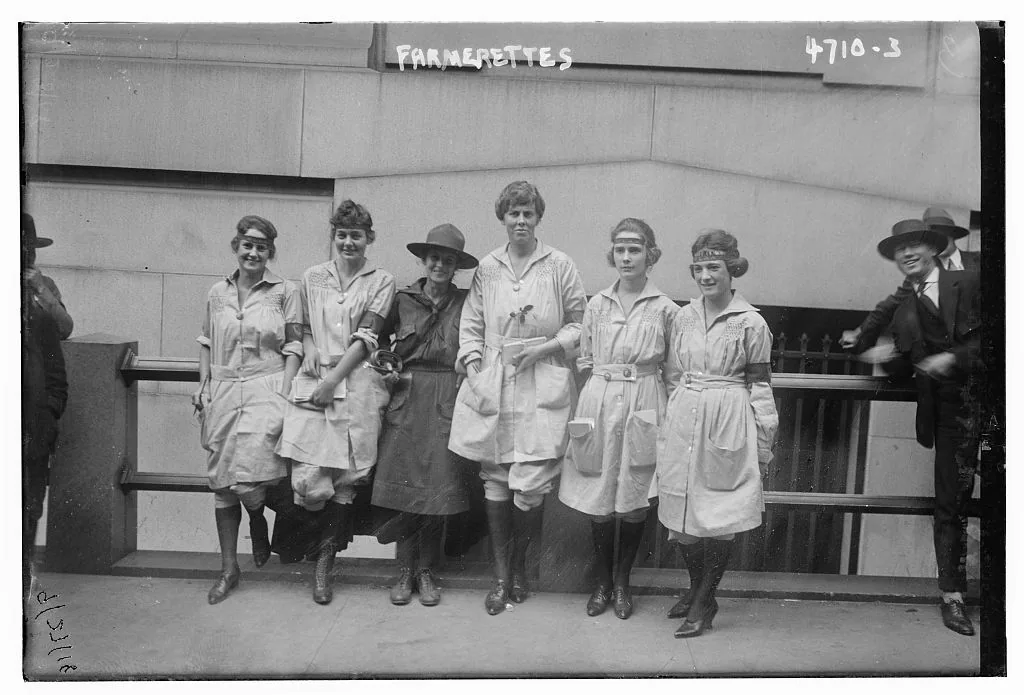
During World War I, at least six women trained for agricultural work lived and worked on the Longwood estate.
black community history
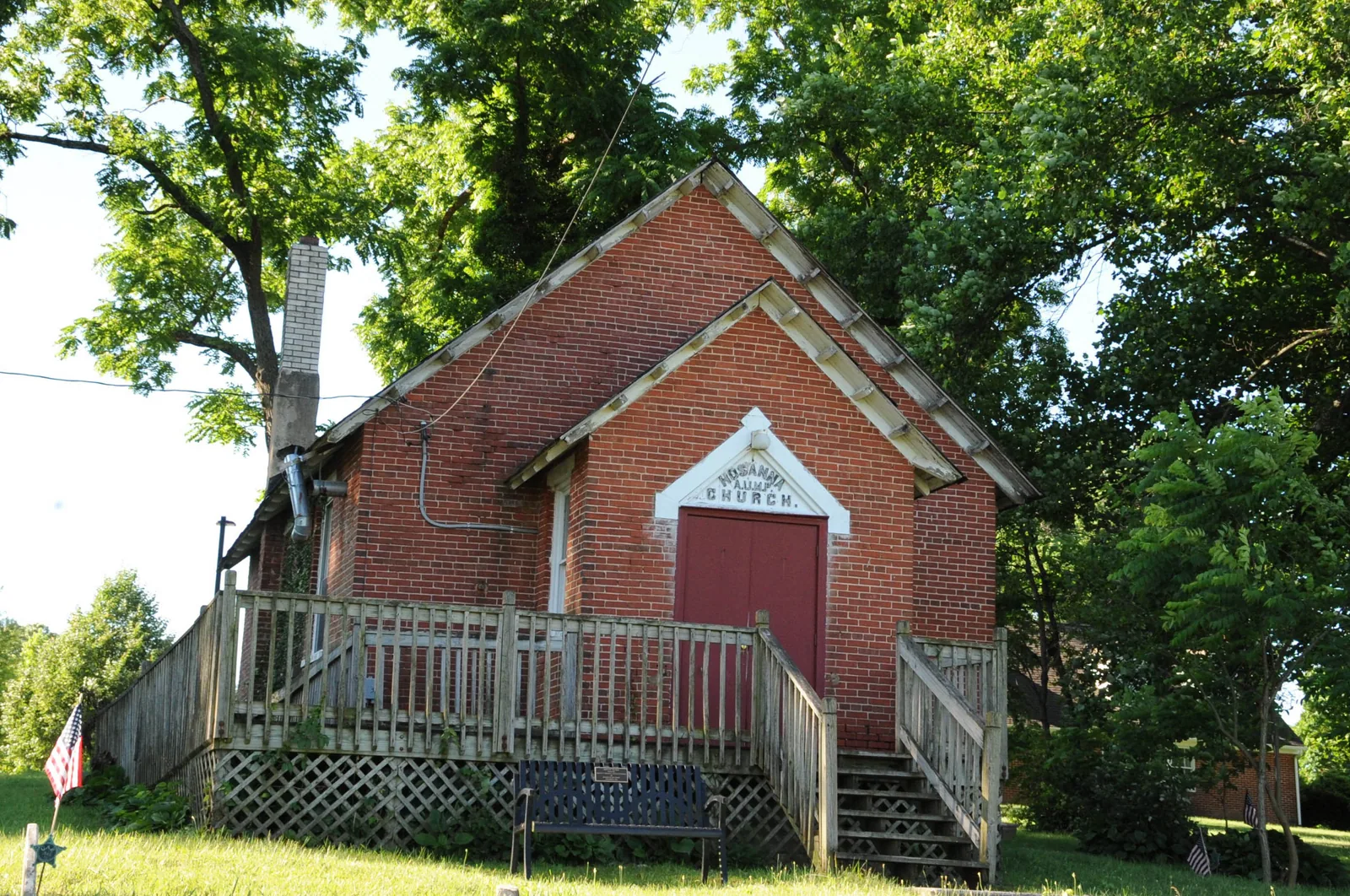
The African Union Church of New Garden began in Kennett Township and later carried its congregation’s history into Kennett Square Borough.
industrial labor history
Company-built housing answered Phoenix Iron Works’ demand for labor and also gave the employer greater power over workers’ lives.